From reactive to proactive
Use better information to act earlier, before avoidable illness becomes harder to change.
 Abbas ZavarMD · MPH · MHIAZ Digital Health Consulting Inc.
 Thoughts & reflections
Perspectives shaped by more than two decades across clinical medicine, health-system leadership, digital health and research—examining how personalized medicine and responsible augmented intelligence can make care more proactive, precise, connected and human.
A working thesis
Use better information to act earlier, before avoidable illness becomes harder to change.
Design care around the person, their context and the evidence most relevant to them.
Connect AI with workflows, knowledge, governance and the people responsible for care.
Use technology to extend clinical capability while keeping judgement, trust and humanity visible.
Bring five domains of information together to enable comprehensive personalized care.
Journal
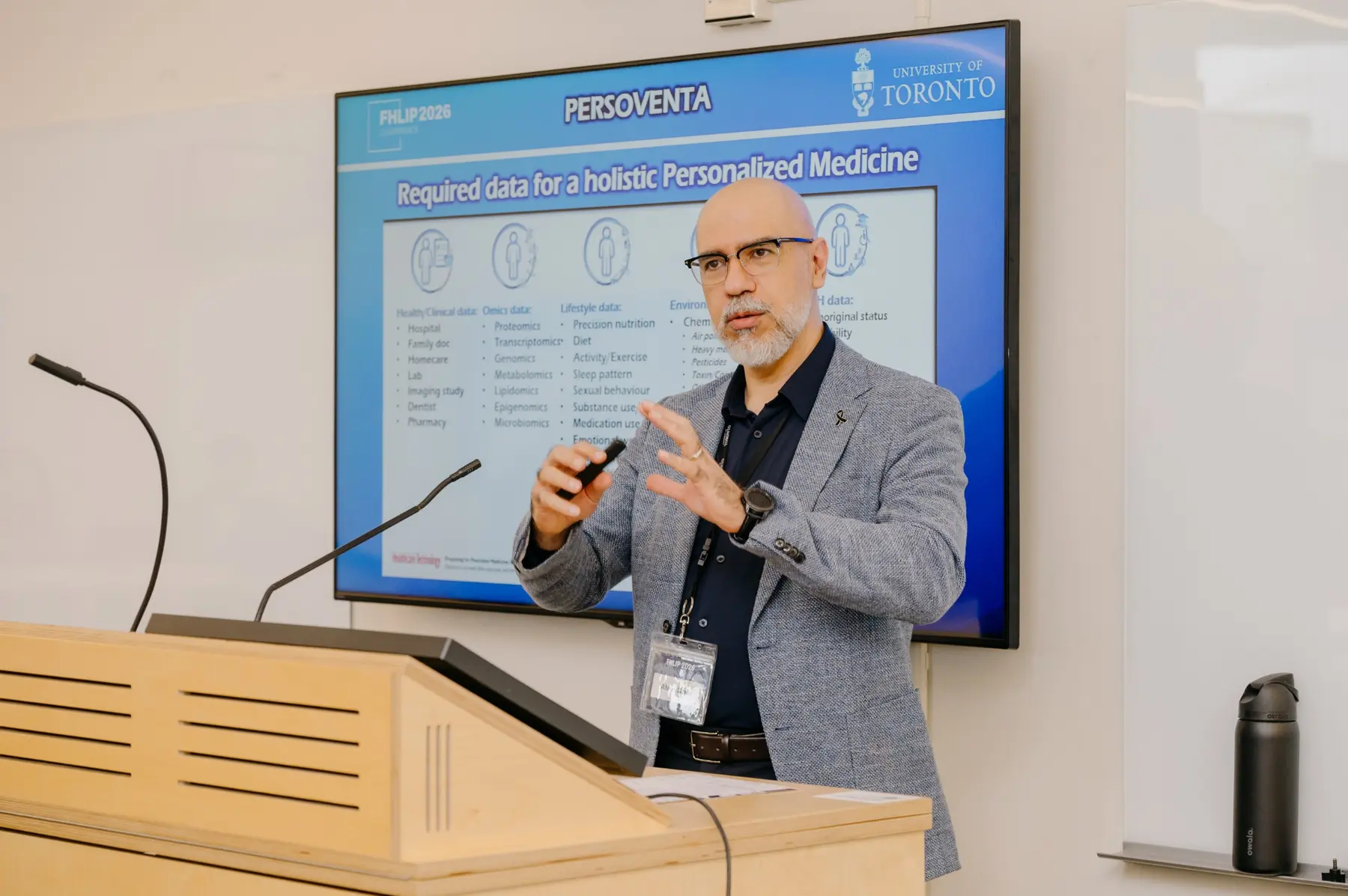
At FHLIP 2026, I presented PERSOVENTA and a model for bringing five domains of information together for more holistic personalized medicine.
Personalized care cannot be built from one data stream or one isolated tool. It needs a practical architecture that connects health and clinical information, omics, lifestyle, environment and social determinants—then translates that fuller picture into evidence-informed prevention and care.
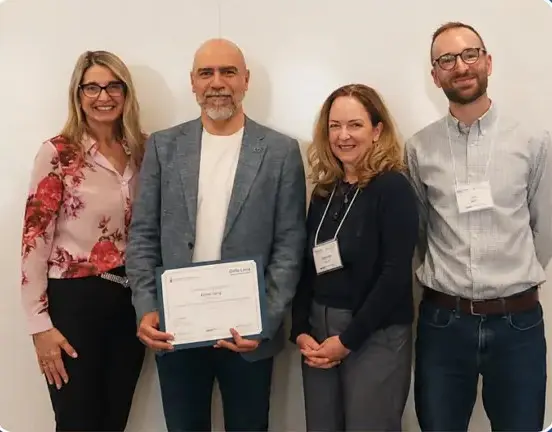
The AMS-Fitzgerald Fellowship created a sustained space to learn and exchange ideas with leaders and experts about designing innovation programmes for emerging AI-enabled tools.
AI innovation should begin with people and the relationships that make care possible. Human-centred design, compassion and responsible evaluation must shape what is developed, how it is introduced and whether it earns a place in practice.
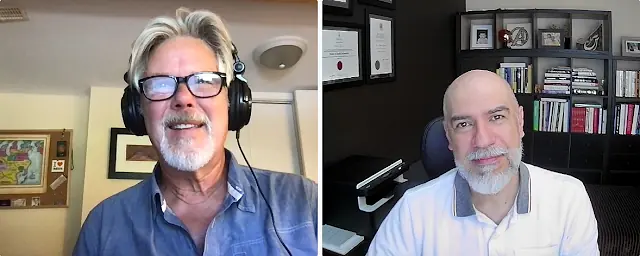
A conversation about why the next generation of healthcare technology must become more useful, contextual and personal for clinicians and patients.
AI can process information at scale, but better care also depends on trusted knowledge, clinical context, equitable design and thoughtful implementation. Personalization is not a feature added at the end; it is the organizing principle.
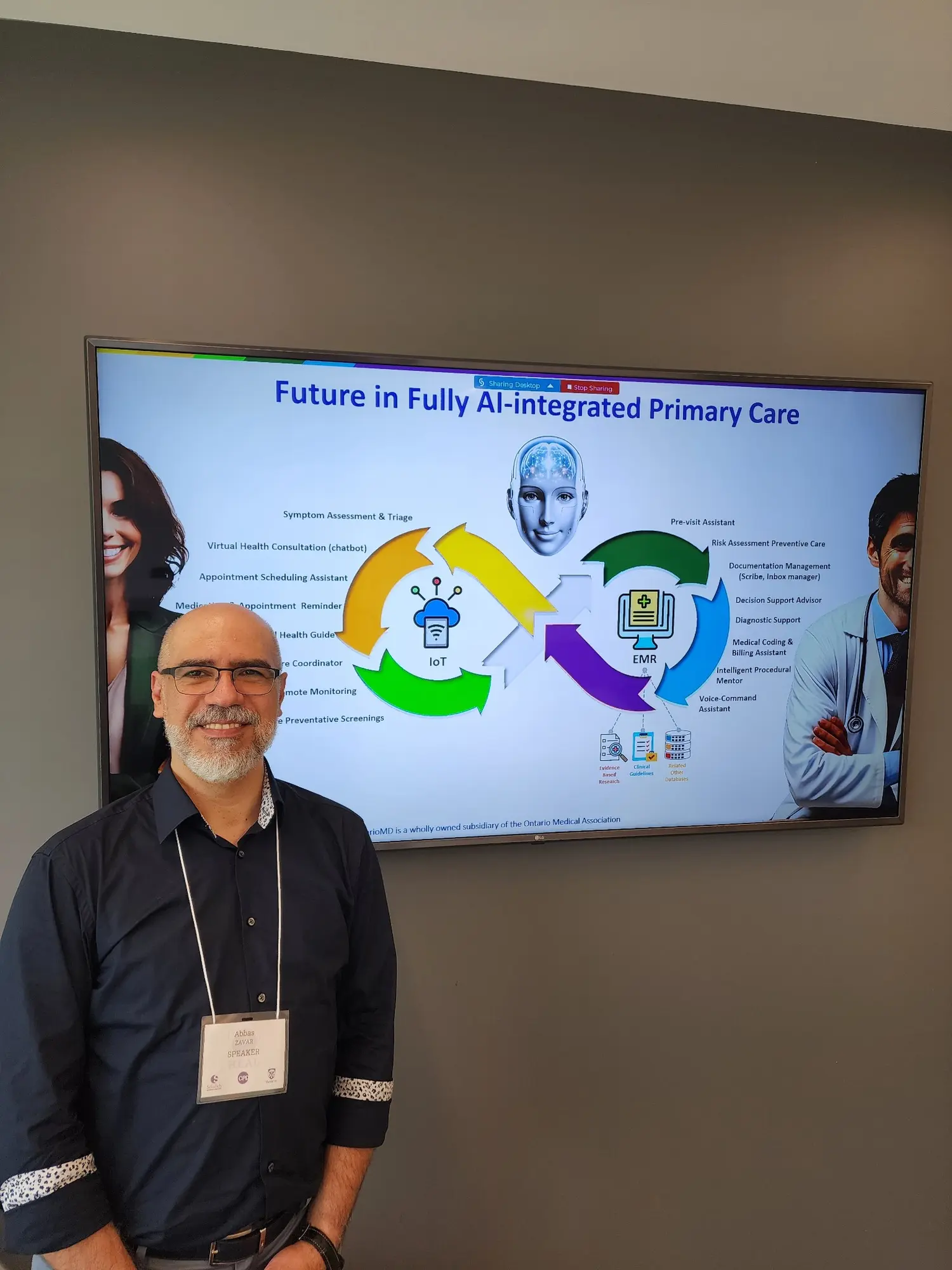
At HEAL, I shared a future-state model of responsible AI supporting patients and clinicians before, during and after a primary-care visit.
The goal is not to surround clinicians with disconnected tools. It is to build a coherent care journey in which AI supports access, preparation, conversation, documentation, decision support, follow-up and learning—while clinical judgement, governance and accountability remain visible.
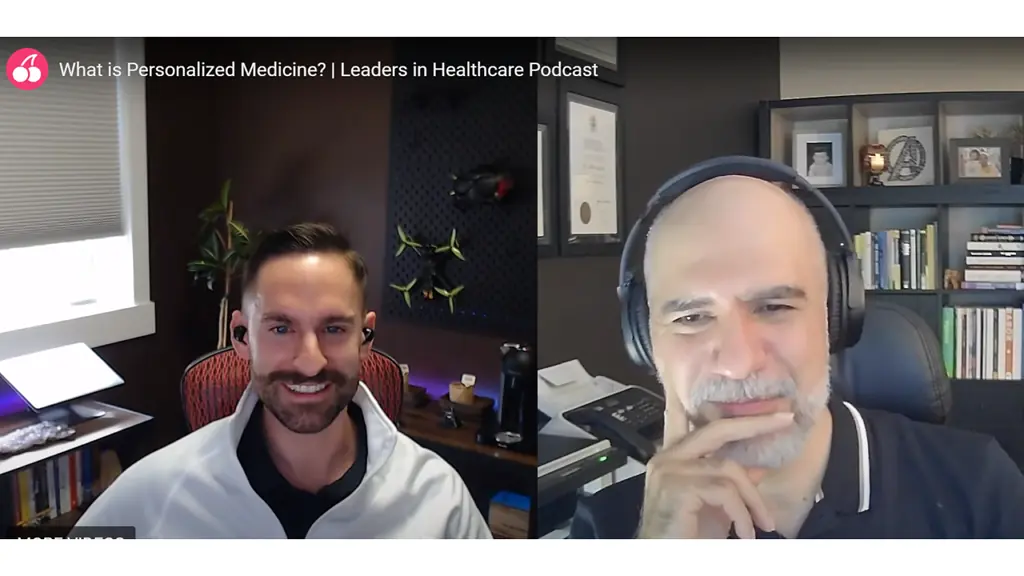
A discussion of the right intervention—diagnosis, treatment or prevention—for the right person at the right time.
Personalized medicine should not be limited to genomics or a small number of specialized therapies. Its deeper promise is a care model that brings together clinical information, behaviour, environment and context to make decisions more precise and preventive.
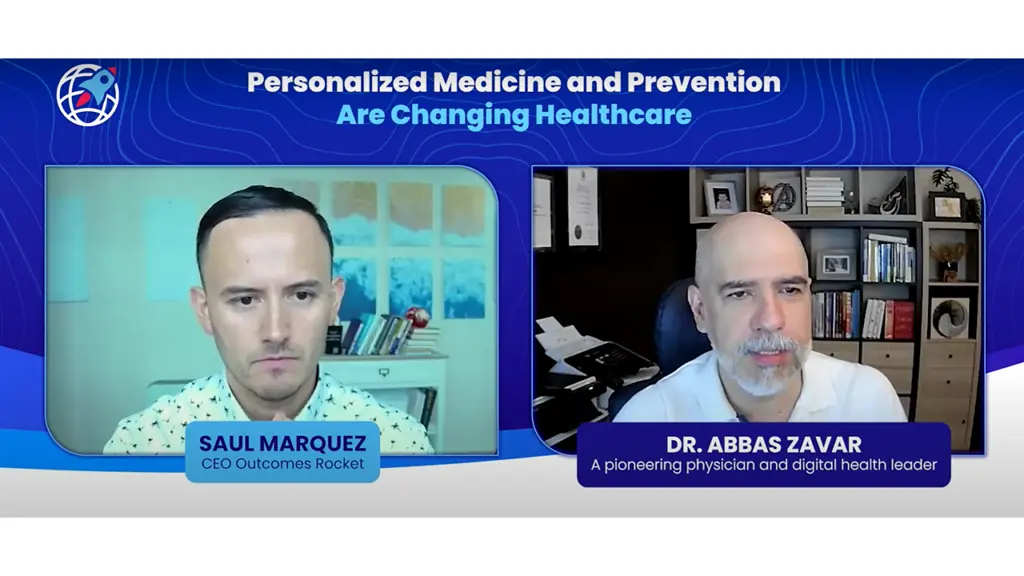
A conversation about data collection, knowledge foundations and the path toward individualized preventive recommendations.
Prevention becomes personal when the health system can understand risk across domains and translate that understanding into practical, evidence-informed action. That requires better information architecture—not only prediction.
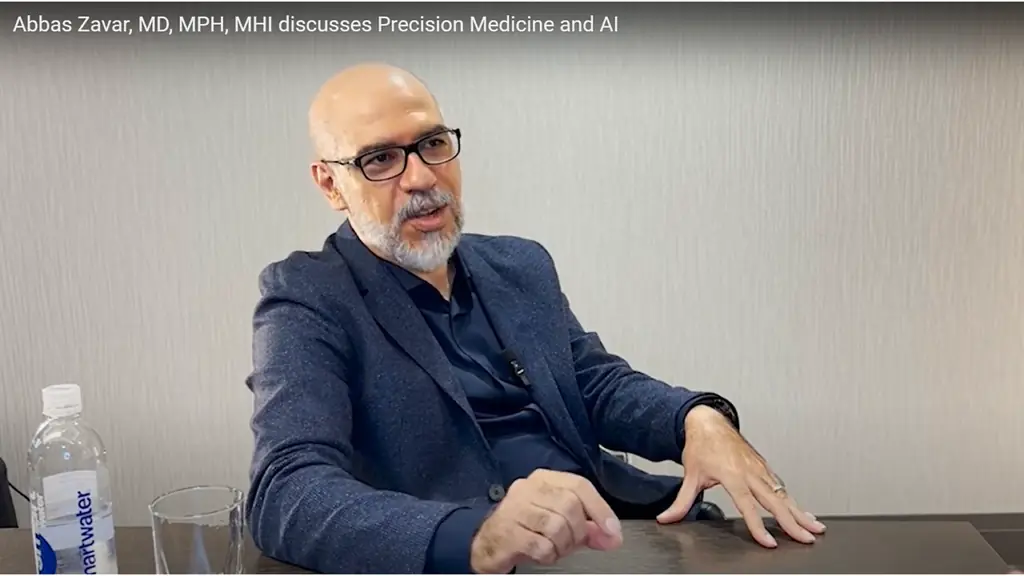
A wide-ranging discussion connecting digital-health practice, personalized medicine, education, research and interdisciplinary leadership.
Innovation becomes meaningful when clinical needs, evidence, policy, education and implementation are treated as one system. Isolated technology decisions rarely produce lasting transformation.
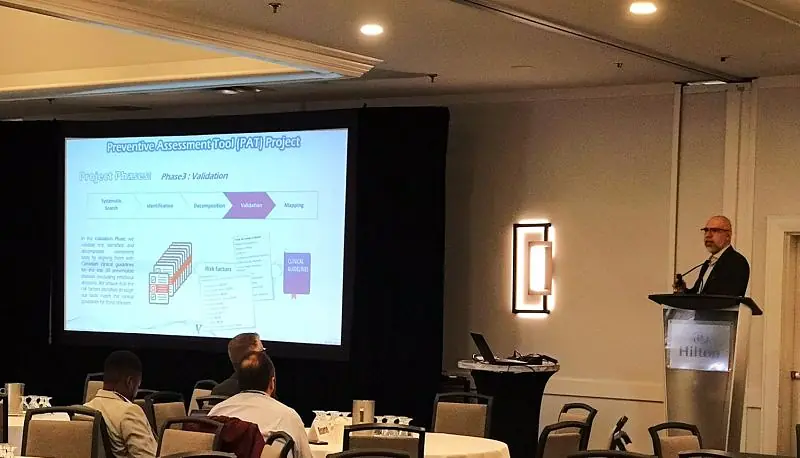
A field reflection on sharing the Preventive Assessment Tool initiative and meeting potential collaborators across the digital-health community.
Presenting work publicly is not only dissemination. It is an opportunity to test the clarity of the model, hear new questions and find the collaborators needed to strengthen it.
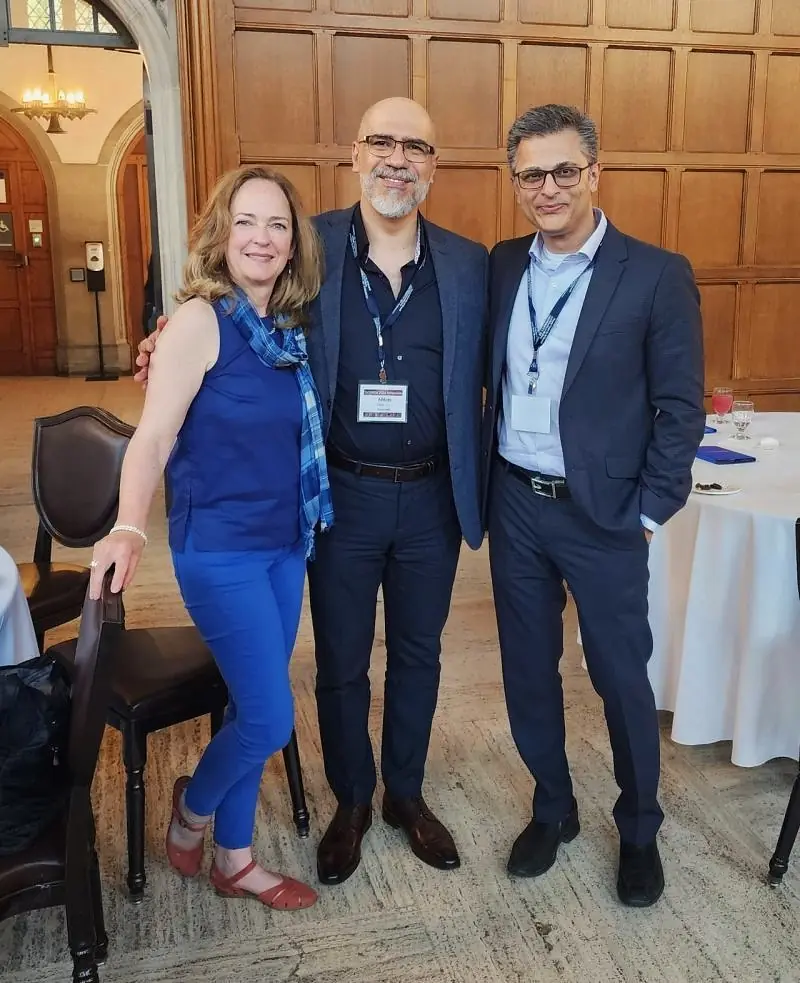
Reflections from a symposium on combining imaging, electronic records, biosensors and other forms of health information.
Multimodal AI may help health systems see relationships that are difficult to detect within separate data silos. Its promise must be matched by validation, data quality, governance and careful definition of the clinical decision it is meant to support.
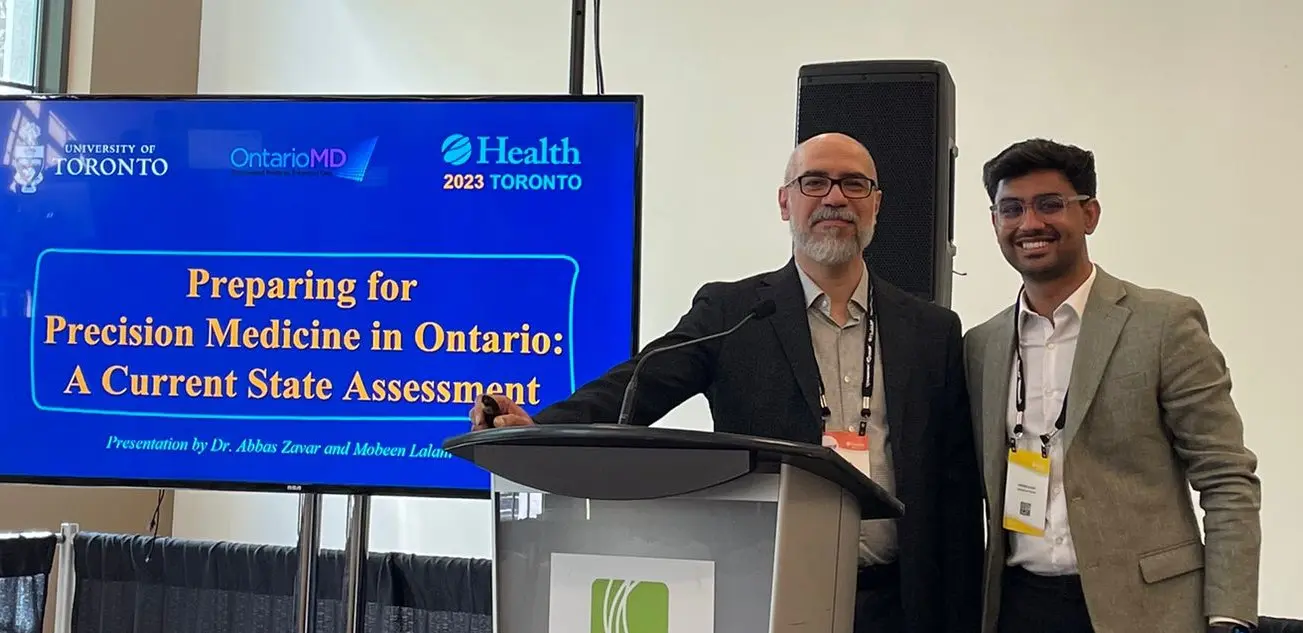
Beginning with a 2022 white paper and extending into a 2023 conference presentation, I shared a model that connects clinical, omics, lifestyle, environmental and social determinants of health data.
Personalized medicine should not be limited to genomics. I proposed social determinants of health as a fifth essential data domain within a Canadian framework, so care can reflect the conditions in which people live as well as their biology and clinical history.